How Mindfulness and Yoga Can Help You Manage Everyday Stress
Mindfulness and yoga offer practical ways to respond to everyday stress with greater awareness and balance. Busy schedules, digital distractions, and personal responsibilities can make it difficult to find time to pause and recharge. By combining gentle movement, focused breathing, and present-moment awareness, these practices encourage people to slow down and notice how they feel. Exploring https://yoga365.online/ can help beginners discover simple ways to include relaxation and body awareness in their daily routines.
Understanding Mindfulness and Yoga for Stress Management
Mindfulness involves paying attention to the present moment without immediately judging thoughts, emotions, or physical sensations. Yoga complements this approach by combining movement, breathing, and focused attention. Together, they create opportunities to notice stress responses and develop more thoughtful habits.
For example, you might recognize that your shoulders feel tense after a long period at a desk or that your thoughts become scattered when several tasks compete for your attention. Noticing these signs can help you pause and decide what might be helpful, such as stretching, taking a short break, or approaching one task at a time.
These practices do not eliminate every stressful situation. Instead, they may help you become more aware of your reactions and choose ways to respond that suit your needs.
How Yoga Helps Release Everyday Tension
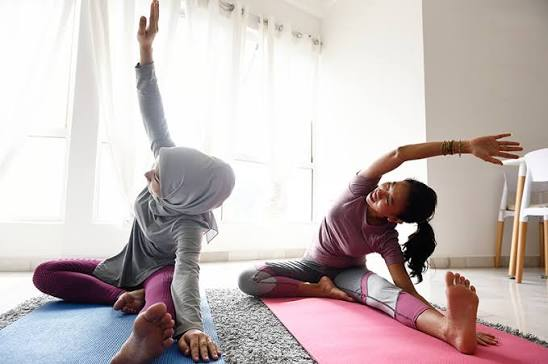
Gentle yoga movements can provide a break from prolonged sitting and repetitive daily activities. Comfortable stretches, shoulder rolls, and simple standing poses encourage body awareness while allowing you to move at a manageable pace.
You do not need advanced skills or a long session to begin. A few minutes of gentle movement may fit naturally into a morning routine or an afternoon break. Focus on comfortable positions rather than trying to achieve a particular shape or stretch.
Yoga also encourages attention to the body’s signals. Moving slowly can help you recognize when a position feels comfortable and when you need to adjust. Choose movements that suit your abilities, and stop if you experience pain, dizziness, or unusual discomfort.
Using Mindful Breathing to Manage Stress
Breathing provides a simple focus when daily responsibilities feel overwhelming. Sit comfortably and notice the natural rhythm of each inhalation and exhalation. There is no need to force the breath or make it unusually deep.
When distracting thoughts arise, acknowledge them and gently return your attention to breathing. This practice can be used before a meeting, during a study break, or after a demanding commute.
For more ideas, explore mindful breathing for everyday stress and find a comfortable technique to incorporate into your routine.
Building Sustainable Mindfulness and Yoga Habits
Consistency becomes easier when a practice fits your existing schedule. You might spend a few minutes stretching after waking up, take a mindful pause between tasks, or practice gentle yoga in the evening.
Creating a quiet space can also help. Put away unnecessary distractions, choose a comfortable position, and set realistic expectations for each session. Some days may allow more time for practice than others, so adjust your routine without treating missed sessions as failure.
Pay attention to which habits help you feel more present and which situations tend to increase tension. These observations can guide practical adjustments to your daily routine, including taking breaks, allowing time for rest, and approaching responsibilities at a more manageable pace.